Carbon Eliminators: An In-Depth Look into Methods for Engine Cleaning


As, it's common for us to reflect about maintenance regarding changing oil and rotating tires, but one crucial aspect that commonly gets ignored is the process of carbon cleaning in engines. Over time, carbon accumulations may gather in your engine, affecting the performance, fuel efficiency, and even pollution. Understanding the process of engine carbon cleaning and why it's crucial can lead to a better and longer-lasting automobile. In this article, we will examine the techniques of engine carbon cleaning, exploring the advantages they provide, signals that your car might require this service, and how these methods can be cost-effective in the long run.
Whether you have a high-mileage vehicle to modern hybrids, any car can gain from a thorough carbon clean. We will take a look at how this process works, compare it to traditional tune-ups, and even debunk common myths surrounding engine cleaning techniques. Whether you're trying to improve the throttle response, reduce emissions, or merely keep your engine running efficiently, knowing the right time and how to schedule an engine carbon cleaning is key. Join us as we uncover the science behind these techniques and give you the information you need to make an informed decision for your car.
Grasping Engine Carbon Emission Maintenance
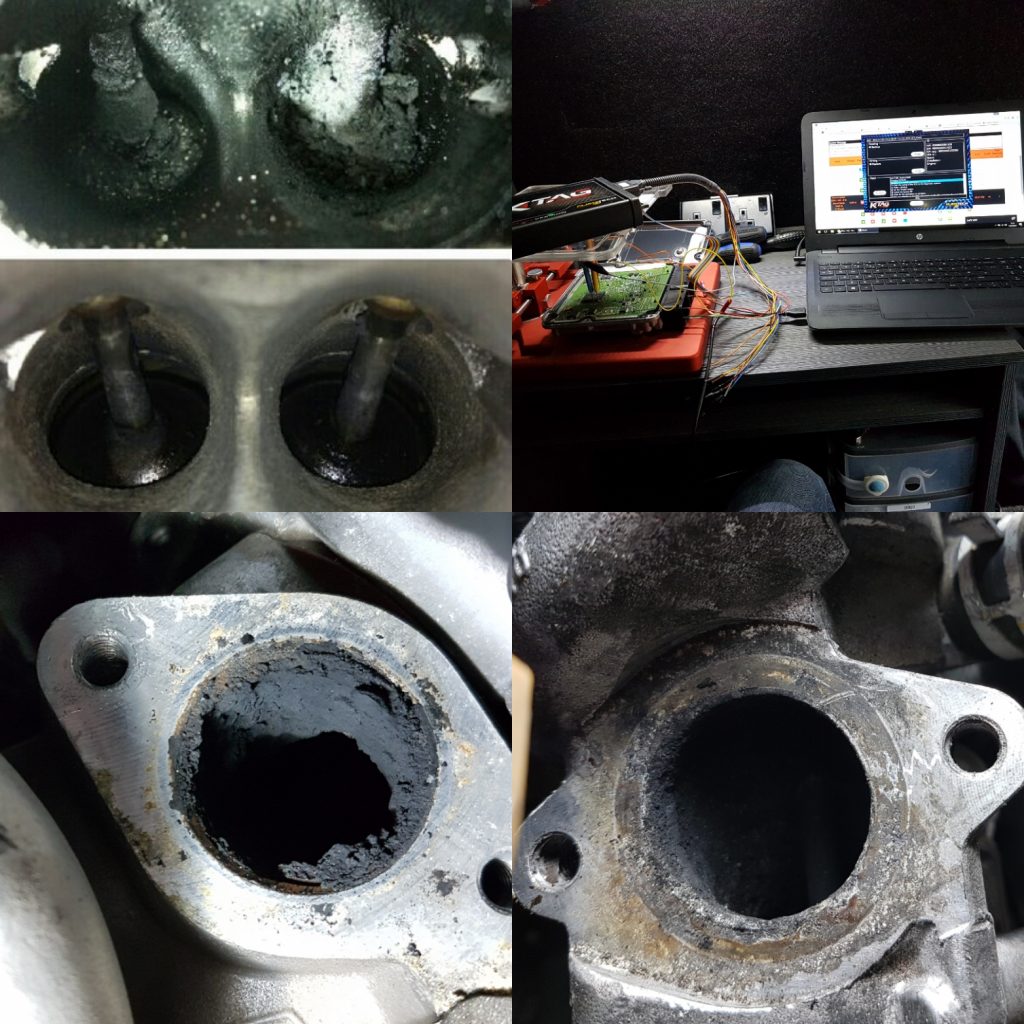
Automotive carbon removal is a maintenance process engineered to eliminate carbon deposits collected in the automobile over the years. Such deposits can accumulate due to incomplete combustion, leading to a variety of problems. Carbon build-up can impact various engine components, affecting everything from fuel injectors to valves, which is why regular cleaning is crucial for preserving best engine performance.
As engines operate, hydrocarbons from fuel combustion can combine and solidify, creating thick layers of carbon on critical parts. This buildup can significantly diminish fuel efficiency, leading to higher emissions and decreased power output. Engine carbon cleaning helps to revitalize the engine's performance by removing these deposits, ensuring that all components function smoothly, thereby enhancing overall vehicle performance.
Multiple methods exist for engine carbon cleaning, including classic mechanical methods and newer technologies like hydrogen cleaning. While mechanical cleaning may include physical scraping or the use of solvents, hydrogen cleaning utilizes high-temperature hydrogen gas to effectively vaporize carbon deposits without harmful to engine parts. Choosing the appropriate method is contingent on the car's condition and the extent of carbon build-up, making consultation with a qualified technician essential.
Advantages and Impact of Carbon Cleaning
Carbon cleaning for engines offers numerous advantages that can considerably enhance your vehicle's overall performance performance. One of the key benefits is enhanced fuel efficiency. When carbon deposits accumulate within the engine, they disrupt the combustion process and can lead to partial burning of fuel, which results in greater consumption. By eliminating these deposits, carbon cleaning helps the engine operate efficiently, leading to superior mileage and cost savings over time.
Another key benefit of engine carbon cleaning is the improvement of engine performance. Carbon buildup can cause a range of issues, including lowered throttle response and sluggish acceleration. After a thoroughly performed carbon clean, drivers often report noticeable improvements in engine responsiveness and more fluid. This performance boost not only makes driving more enjoyable but can also enhance to more secure driving conditions as the vehicle responds more predictably.
Additionally, carbon cleaning plays a crucial role in preventing long-term engine damage. When left untreated, carbon deposits can lead to severe problems such as misfires or even engine failure. By frequently maintaining your engine through carbon cleaning, you can reduce these risks and possibly avoid costly repairs down the line. Thus, committing to engine carbon cleaning can be a forward-thinking measure to extend the lifespan of your vehicle.
Maintaining Your Engine: Frequency and Best Practices
To keep your engine running efficiently, it is important to develop a consistent maintenance routine. Most experts advise conducting your engine carbon cleaned every fifteen thousand to 30,000 miles, based on your driving style and the type of fuel you use. If you regularly drive in stop-and-go traffic or utilize lower-quality fuels, you may need to consider more regular cleaning. Frequent inspections can help spot carbon buildup early, which prevents more serious issues down the line.
In conjunction with scheduled carbon cleaning, ensure you follow other recommended methods for engine maintenance. Frequent oil changes, using high-quality fuels, and checking your air filters can aid reduce carbon deposits. Additionally, using fuel additives designed to minimize carbon buildup can be advantageous, especially for those who do a lot of short trips where the engine does not reach optimal operating temperatures.
In conclusion, be diligent about addressing any symptoms of carbon buildup, such as reduced fuel efficiency or engine misfires. Neglecting Engine Carbon Cleaning Wimborne Minster can lead to more significant engine problems and expensive repairs. Talk with a qualified mechanic who can evaluate your engine's condition and recommend the most effective course of action to maintain performance and longevity.