Creating a Fortress: Ways to Make Your Basement Waterproof Professionally


If you've ever faced the frustration of a leaky basement, you understand how important proper waterproofing can be. A damp or leaking basement can result in a host of problems, from mildew to foundation issues, ultimately impacting your home's value. Whether you are dealing with an ongoing issue or just being proactive, understanding the ins and outs of basement waterproofing is essential for any homeowner.
In this definitive guide, we will examine various elements of basement waterproofing, including the top signs that suggest your basement needs immediate attention and the distinctions between indoor and outdoor waterproofing methods. We'll offer insights into the expenses involved, how to choose the best contractor, and even do-it-yourself options that could save you money. Equip yourself with the knowledge to transform your basement into a moist-free, secure, and usable space in your home.
Important Signs Your Basement Requires Waterproofing
One of the most obvious signs that your basement requires waterproofing is the presence of stains from water or white powdery residue on the walls and floors. These stains often appear as damp, dark patches, while efflorescence manifests as crystalline deposits caused by water evaporation leaving mineral deposits behind. These concerns indicate that moisture is leaking through the walls and can lead to extensive damage if not resolved promptly.
Another key indicator is the presence of a damp odor in the basement, which suggests the gathering of moisture and possible mold growth. Mold grows in humid and damp environments, turning your basement a favorable environment. If you can detect mildew, it is essential to get to the bottom of further and act before the issue worsens, as this can directly impact indoor air quality and pose health risks.
Additionally, visible cracks or gaps in the foundation can signal potential water intrusion points. These cracks can form over time due to settling, but they can also allow water to penetrate the basement, particularly during intense rain or snowmelt. If you see any cracks in your foundation walls or floor, it is vital to speak with a waterproofing professional to examine the situation and suggest appropriate solutions.
Grasping Sealing Techniques and Expenses
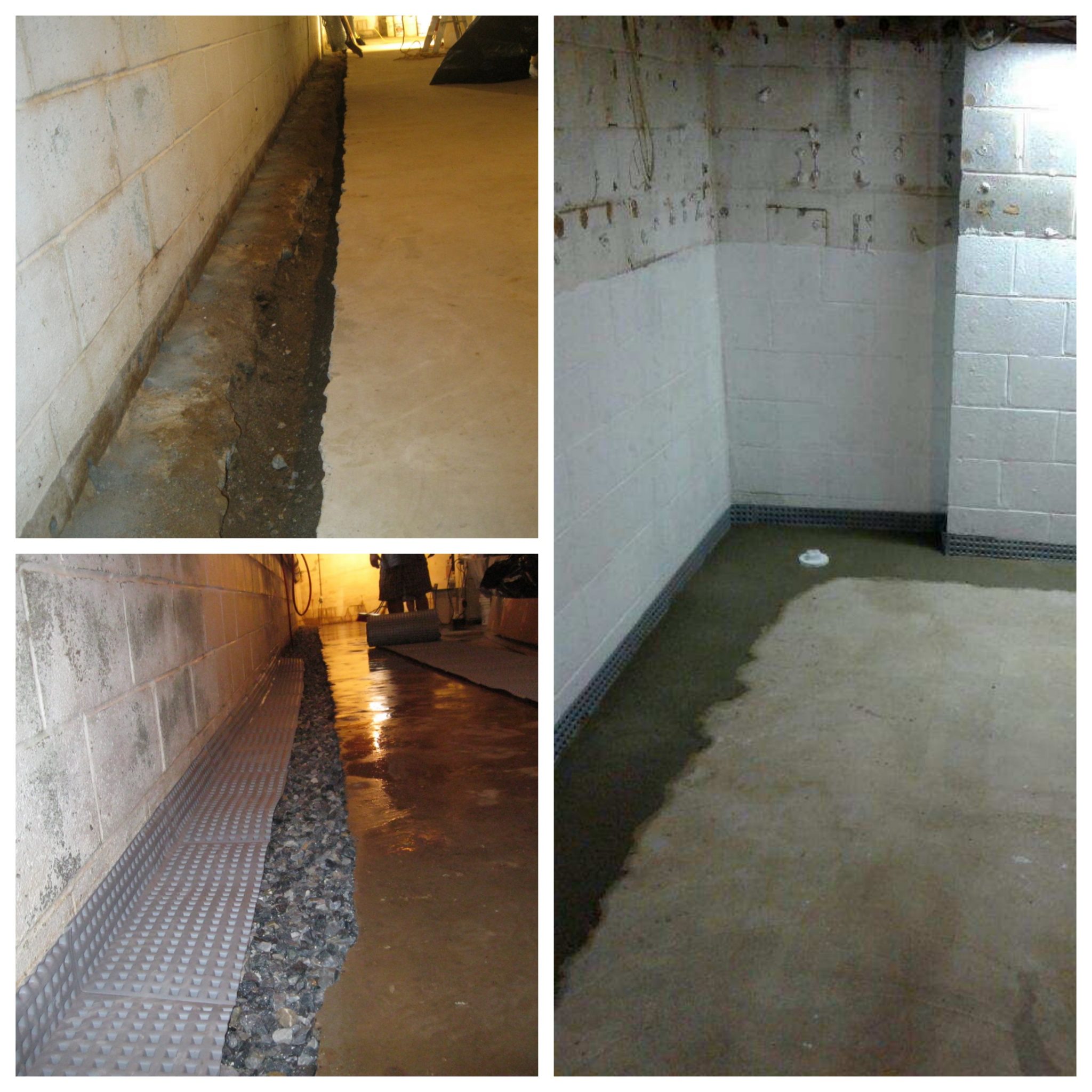
Concerning basement waterproofing, picking the correct method can result in all the impact. Key options consist of interior and exterior waterproofing, each with its advantages and obstacles. Interior waterproofing often involves using sealants on walls or putting in drainage systems like sump pumps to manage water that may enter. Exterior waterproofing involves excavating around the foundation and applying a waterproof membrane, although it can be more expensive due to labor and materials. Homeowners should evaluate their particular situation and whether they confront minor water issues or significant leaks requiring extensive intervention.
The cost of basement waterproofing varies widely based on the approach selected, local labor rates, and the severity of the problem. Typical costs can range from a few hundred dollars for simple sealants or DIY projects to several thousands for extensive exterior systems. Homeowners should also factor in potential continuing maintenance, such as periodic inspections and system upkeep. Evaluating the long-term investment against potential water damage repairs is important in arriving at a wise choice.
At the end of the day, understanding the costs associated with different waterproofing methods allows homeowners to budget suitably and select the best solution for their needs. Putting money in comprehensive waterproofing can prevent future structural damage and conserve money in the long run. For https://aluneed.ca/ where to begin, seeking advice from a professional can provide personalized advice based on the specific circumstances of each basement.
Selecting the Best Waterproofing Solutions for Your Home
While deciding on waterproofing solutions for your home, it's crucial to evaluate the specific needs of your basement or crawl space. Commence by assessing whether you need inside or external waterproofing. Interior methods can be effective for dampness control and are often easier and less pricey to implement, while external waterproofing typically provides a broader solution by addressing the cause of water leakage. Take into account factors like soil characteristics, water table levels, and the general drainage around your property.
In addition, reflect on the lasting implications of your choice. Investing in high-quality waterproofing methods can avoid significant repairs in the future due to water damage or mold growth. Consult with professionals who can give insights into the most suitable options based on your home's age and structure. Features such as sump pumps and drainage systems play a crucial role in maintaining basements free from moisture, so being aware of their performance and maintenance requirements is critical.
In conclusion, always consider to factor in your budget. Though DIY options may seem tempting for immediate savings, they often lead to subpar results if not executed properly. Compare the costs of different systems against their benefits and reflect on the possible impact on your home's market value. The right waterproofing solution not just protects your home but can additionally enhance its overall marketability in the real estate market.