Eco-Friendly Approaches to Refuse: Reevaluating The Refuse


As the world grapples with the rising challenges of waste, the need for green approaches to waste management has not been more urgent. Every day, individuals and businesses generate trash that not only disrupts our landscapes but also creates grave threats to our environment and public health. Understanding the value of effective waste management is vital for everyone, from homeowners wanting to reduce their footprint to businesses striving for sustainability in their operations.
In this resource, we will explore various modern waste management solutions, highlighting practical steps to improve practices and the significant benefits of embracing a sustainable approach. With insights on how to navigate the complexities of recycling, composting, and waste segregation, we will also talk about the role of technology in revolutionizing how we tackle waste. Whether you are a newcomer wanting to learn the fundamentals or a business looking to develop a comprehensive waste reduction plan, our aim is to provide you with the necessary tools to reassess your trash and embrace a more sustainable future.
Current Garbage Management Strategies
In recent years, cutting-edge waste management strategies have emerged, driven by the demand for eco-friendliness and effectiveness. Organizations are increasingly shifting to holistic waste management frameworks that include everything from waste reduction strategies to sophisticated recycling techniques. Adopting smart waste management technologies, such as Internet of Things sensors and artificial intelligence-powered analytics, enables organizations to refine waste collection pathways, cut operational costs, and improve recycling rates. This modern approach not only improves operational efficiency but also adds to a more sustainable environment.
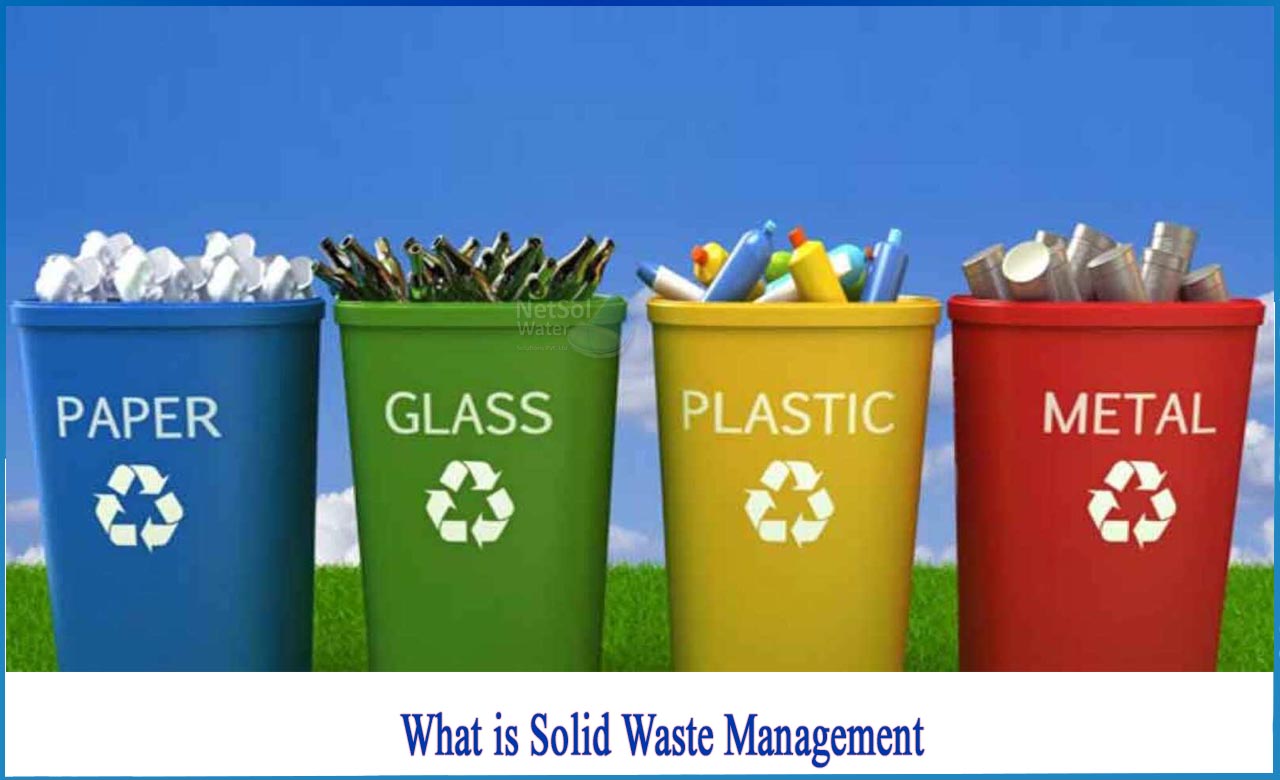
Another key aspect of modern waste management is the stress on waste separation at the source. By motivating individuals and entities to separate recyclable materials, compostables, and ordinary waste, the overall efficiency of waste processing enhances significantly. Awareness campaigns play a critical role in this shift, as they teach the public on why proper waste sorting is necessary for recycling and waste reduction efforts. This approach not only optimizes recycling but also lessens contamination in recyclable materials, leading to higher caliber outputs.
Moreover, the role of technology in modern waste management cannot be overstated. Digital platforms and mobile applications enable consumers and businesses to follow their waste generation, facilitate recycling efforts, and access community resources for proper waste disposal. Innovations such as waste audits and composting initiatives provide valuable insights into waste patterns, empowering users to make informed decisions that foster sustainable practices. Together, these solutions represent a holistic shift in how we manage waste, turning issues into possibilities for a cleaner planet.
Sustainable Practices for Waste Minimization
Implementing eco-conscious methods is vital for successful waste management and reducing overall waste production. One of the greatest impactful practices persons and businesses can adopt is waste segregation. By correctly dividing recyclable materials, organic waste, and regular trash, it becomes easier to make sure that materials are repurposed. This not only prevents important resources from finding in landfills but also supports recycling initiatives. Informing employees and household members about the value of separating waste helps nurture a culture of sustainability that can lead to lasting changes in waste behavior.
Another effective approach is to adopt the concepts of zero waste living. This lifestyle involves reconsidering purchasing habits and concentrating on buying products that minimize packaging. By selecting reusable items, such as cloth bags and glass containers, consumers can substantially minimize their waste footprint. Businesses, too, can help by selecting eco-friendly packaging options and limiting excess materials in their offerings. Creating a buy-back program or working with suppliers who value sustainable practices can additionally enhance schemes to minimize waste.
Establishing a composting system is another basic practice that can aid in waste reduction, particularly for biodegradable materials. By creating a compost system at home or in a business, individuals can convert kitchen scraps and yard waste into fertile compost, which can then be used to enrich gardens and landscaping. This method not only redirects waste from landfills but also decreases the need for chemical fertilizers, encouraging healthier soil and leading to a greener environment. Including composting https://writeablog.net/winewall55/transforming-landfills-to-a-new-horizon-revolutionizing-waste-disposal into garbage management plans is a proactive step towards fostering sustainability and greatly reducing waste output.
The Role of Technology in Waste Management
Technology has become an essential part of contemporary waste management, changing how we collect, handle, and repurpose waste. Connected bins equipped with technology enable real-time tracking of waste levels, helping city services optimize collection routes and schedules. This not only reduces fuel consumption and emissions but also ensures timely pick-ups, preventing overflow and unsightly litter. Additionally, digital tools can analyze data from these intelligent systems to inform better waste management methods and improve overall operational effectiveness.
Another important development is the role of artificial intelligence in enhancing recycling processes. AI-driven sorting technologies can detect and separate recyclable materials with greater accuracy than human workers, leading to higher recycling rates and minimized contamination. This potential is crucial in supporting a circular economy, where materials are reused rather than discarded. Moreover, machine learning algorithms can help businesses and municipalities forecast waste generation patterns, allowing for better planning and resource allocation.
Finally, innovative apps and platforms are bridging the gap between generators of waste and recycling centers, enabling individuals and businesses to take control of their waste management procedures. These tools often provide educational resources, enabling users to make informed decisions about waste reduction and recycling. By harnessing the power of technology, we can cultivate a sustainable approach to waste management, eventually leading to a tidier, greener future.