Enhance Your Protection: An Guide to Electrical Inspections


When was the last occasion was the final moment you thought on the electrical system within your residence and business? For numerous people, electrical inspections tend to be an afterthought, often overlooked until a problem occurs. However, https://electricalinspectionconditionreports.co.uk/ prove to be vital for ensuring safety, preventing hazards, and maintaining the effectiveness of your electrical systems. Regardless of whether you are a homeowner, a commercial property owner, or involved in real estate dealings, understanding the significance of electrical inspections might significantly affect the safety and value of your property.
In this guide we will investigate what electrical inspections consist of, why they are vital for home and business safety, and the recommended frequency of inspections. We will also discuss common issues discovered during inspections, tips on preparing for one, and the specific needs of different types of properties. By the conclusion of this guide, you will have a thoroughly detailed understanding of how electrical inspections help protect your asset, enhance safety, and even increase energy efficiency.
Grasping Electrical System Reviews
Electrical reviews constitute a vital aspect of maintaining protection and efficiency in residential and commercial settings. Such evaluations entail a thorough examination of a structure's electrical infrastructure to verify that it meets current safety standards and guidelines. Inspectors look for potential hazards, code violations, and signs of wear and tear that could cause serious problems like fires or electrical failures.
The significance of routine electrical inspections is paramount. By identifying problems early, homeowners and business owners can resolve issues before they escalate into costly and dangerous situations. Evaluations also assist ensure compliance with regional regulations, which is vital for securing insurance and safeguarding investments. For new property buyers, evaluations provide peace of mind, showing the overall status of the electrical network before taking a purchase.
As technology evolves, the methods used in electrical inspections are transforming. Modern instruments and techniques, including thermal imaging and smart sensors, empower inspectors to spot problems that may not be noticeable to the naked eye. This change enhances the reliability of evaluations and helps in planning repairs or upgrades more effectively. Ultimately, comprehending the role of electrical inspections is essential for ensuring the safety of properties and ensuring the well-being of all occupants.
Frequent Problems Found in Inspections
Electrical evaluations often expose a number of frequent issues that can indicate safety risks or indicate the need for fixes. One frequent issue is outdated wiring. Many residences, especially those built many decades ago, may still have knob-and-tube or aluminum wiring that does not comply with current safety standards. These kinds of wiring can be dangerous, heightening the chance of electric fires or equipment malfunction due to improper load management.
Another frequent issue identified during inspections is inadequate grounding. Grounding is essential for safely directing electrical surges or faults away from the home. If grounding systems are badly installed or completely absent, property owners may face electrical shock dangers or equipment damage. Inspectors frequently discover that GFCI outlets, which are important for avoiding shock in damp areas, are either missing or not operating properly, additionally putting at risk safety.
In further to wiring and grounding problems, inspectors often identify overloading circuits. This situation arises when too many devices are connected to a specific circuit, leading to excessive heat and potential fires. Property owners may not realize the hazards of overloading circuits, especially if they often use multiple appliances in conjunction. Spotting these issues during an electrical inspection is important for securing a safe electrical system in any house.
Scheduling & Preparing for Examinations
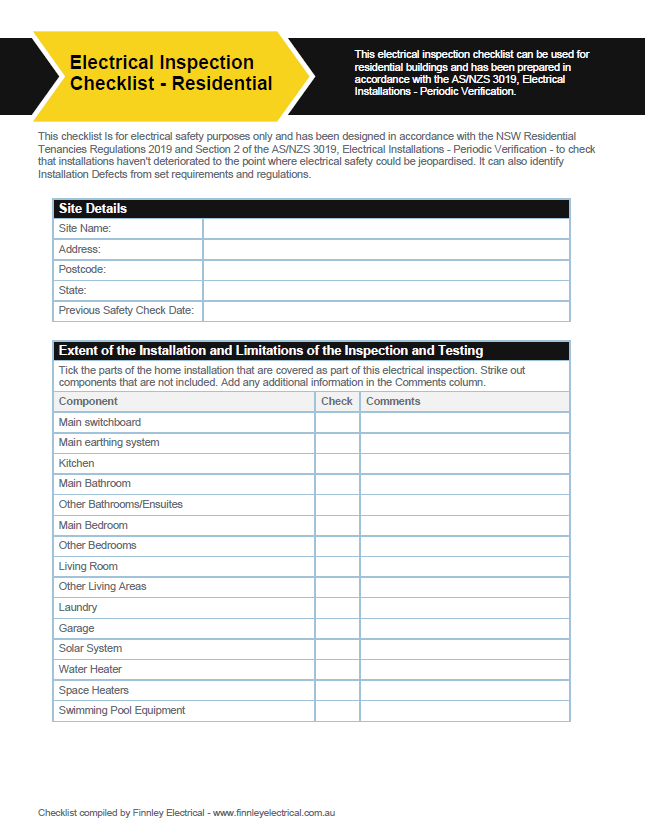
When it comes to setting up an electrical inspection, it's crucial to plan ahead. Homeowners should consider their local regulations, which may dictate how frequently inspections are necessary. Creating a timeline aligned with care and renovation timelines can help ensure that your electrical system is always conforming and functioning safely. It is advisable to book an inspection at least one time every several years, especially if you live in an historic home or have recently made substantial updates to your electrical system.
Getting ready for an electrical inspection can make the process smoother and more efficient. Homeowners should take time to tidy up areas around electrical panels, outlets, and breakers. This clearance allows the inspector to conduct a thorough assessment without delays. Additionally, gathering any previous inspection reports, renovation documents, and warranties related to electrical work can provide valuable context for the inspector and enhance their understanding of the home's electrical history.
In conclusion, discussing is key. Prior to the inspection, discussing any specific concerns or recent changes with your electrician can provide valuable insights. If you have recently renovated your home, consider documenting those changes. This information can help the inspector spot potential issues and ensure your home is both safe and conforming with current electrical codes. Being proactive not only promotes a successful inspection but also contributes to the overall security and efficiency of your electrical system.