Green Heating: The Role of Heat Pump Systems in Sustainable Living


Given that climate change challenges grow and the desire for green living grows, many homeowners are looking for alternative heating and cooling solutions that are both productive and environmentally friendly. One technology that has gained substantial attention in recent years is the heat pump. These innovative systems not only provide comfort by regulating indoor temperature during the year but also promise lowered energy consumption and lower greenhouse gas emissions compared to conventional HVAC systems.
In this article, we intend to demystify heat pumps and examine their role in encouraging sustainable living. From understanding how they work to assessing their performance in diverse climates, we'll discuss everything homeowners need to know. Whether you are contemplating installing a heat pump, curious about the connected costs, or looking to boost the efficiency of your present system, this thorough guide will offer valuable insights to help you make informed decisions for a greener future.
Grasping Heat Pump Technology
These units are a flexible and eco-friendly solution designed to provide both heating and cooling for homes. They operate by relocating heat from one place to a different location rather than generating heat through fossil fuels. This method makes them an environmentally friendly alternative to traditional heating technologies. By utilizing refrigerants to capture heat from the atmosphere or ground outside and moving it indoors, heat pumps can provide satisfying conditions all year round while minimizing energy consumption.
There are two key types of heat pumps: air source and ground source. Air source heat pumps draw heat from the outside air, while ground source heat pumps capture heat from the ground. Each type has its own advantages and cons, which homeowners must consider based on their particular circumstances, weather conditions, and price of installation. In any situation, heat pumps are known for their great efficiency, often rated at three to four times, meaning they can create three or four times of heat for every unit of electricity used.
As homeowners increasingly seek eco-friendly living solutions, comprehending heat pumps is crucial. They not only offer an effective means of temperature control but also contribute to diminishing greenhouse gas emissions. With continuous technological advancements and different designs, there is a rising demand in how heat pumps can be incorporated into recent and existing homes. This knowledge enables homeowners to make knowledgeable decisions about their heating and cooling systems, matching with eco-friendly practices while enhancing comfort in their living spaces.
Efficiency and Expense Evaluation
Heat pumps are famous for their remarkable energy effectiveness compared to traditional heating and cooling systems. Usually, heat pumps can attain a coefficient of performance of three or more, meaning for each unit of energy used, they can produce 3 units of heating or cooling. This effectiveness not only translates into lower energy bills but also lowers the carbon impact associated with heating and cooling your home. As a consequence, homeowners can reap considerable savings on their energy expenses while taking a more sustainable choice.
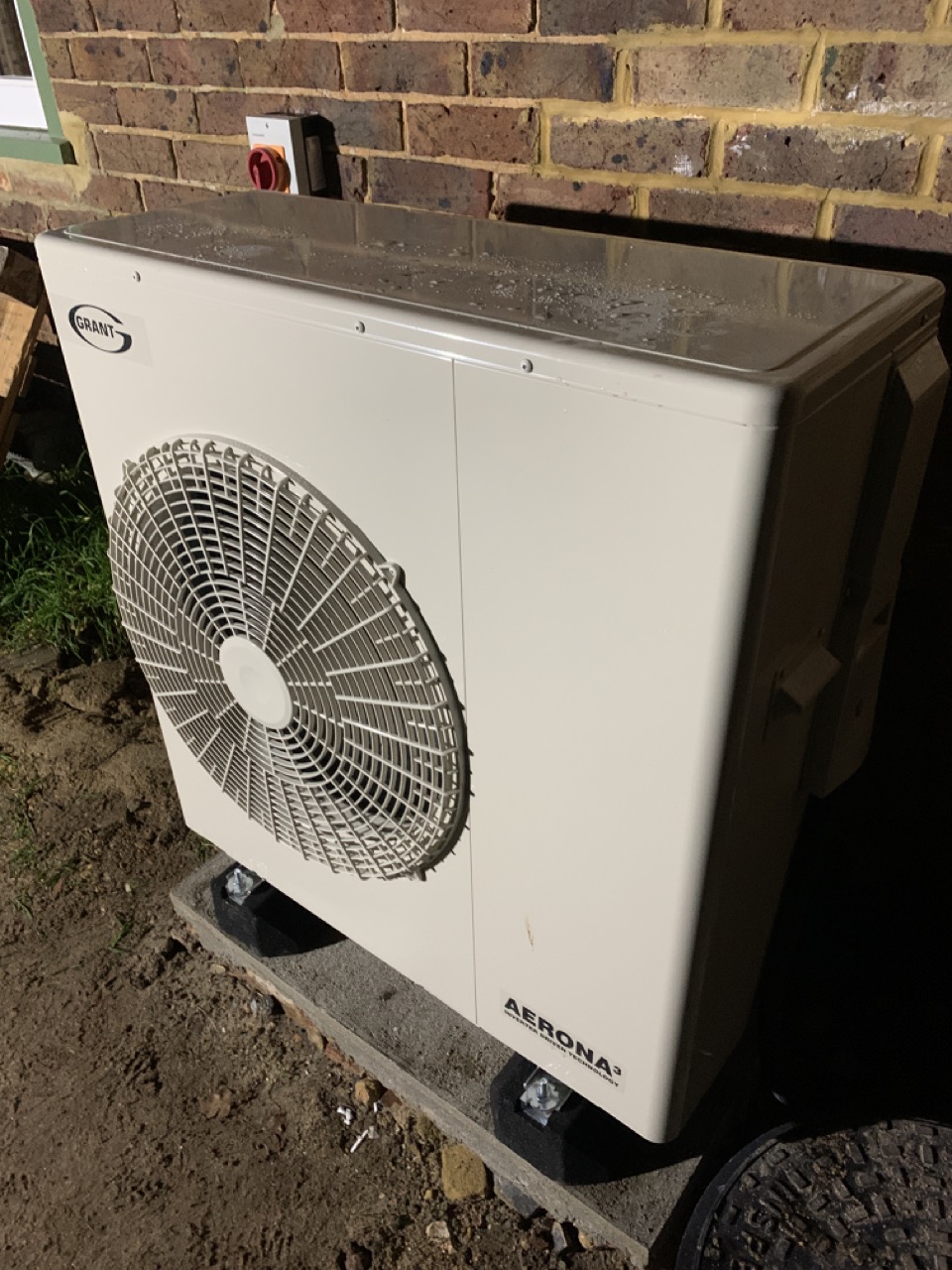
When evaluating the cost of putting in a heat pump, it is essential to factor in both the initial investment and future savings. While the upfront costs can be greater than those of conventional HVAC units, many heat pump models are eligible for energy efficiency incentives and tax credits, considerably increasing their affordability. Furthermore, the lowered operating costs due to energy efficiency can lead to a return on ROI within a few years, especially with rising energy prices. Over the years, these units may prove to save homeowners cash and provide a stable temperature all year round.
The upkeep costs of heat pumps are typically less than conventional systems, contributing to overall savings. While https://bookpaste70.werite.net/changing-home-convenience-the-rise-of-thermal-pumps do need regular servicing, the frequency and difficulty of maintenance are often less demanding. Homeowners should expect to budget for routine checks and filter changes, but these costs are insignificant relative to the potential savings on their energy expenses. Additionally, keeping the heat pump well-maintained enhances its lifespan and ensures it operates at peak efficiency, making it a smart choice for those considering a green heating solution for their homes.
Setup and Care Guidelines
When installing a heat pump, it is crucial to select a trustworthy and experienced installer to ensure maximum performance. Before setup, homeowners should evaluate their property and identify the suitable size and type of heat pump that fits their requirements. Factors such as weather, insulation quality, and existing ductwork should be considered. Additionally, knowing the location where the heat pump will be installed is important for maximizing efficiency, as proper airflow and ease of access for maintenance are key.
Once set up, regular maintenance of your heat pump will aid to maximize its durability and efficiency. Homeowners should schedule annual inspections with a qualified technician to make sure the system is operating correctly. Simple tasks can also be performed by the homeowner, such as washing or changing the air filters every few months and inspecting for debris around the outdoor unit. Maintaining the area free of obstructions will assist in optimal airflow and efficiency.
Being aware of frequent issues can help homeowners identify minor problems before they worsen. Signs that your heat pump may need service include unusual noises, inconsistent temperature control, and increased energy bills. Staying Heat Pumps Sheffield Yorkshire about these signals can assist prevent more expensive repairs. By committing to regular maintenance and being proactive about potential issues, homeowners can enjoy the advantages of their heat pump system for many years.