Heat Pump vs. Conventional Heating: What Is the Best Option for You?


As homeowners search after sustainable and eco-friendly alternatives for heating and cooling their properties, heat pump systems have become as a popular alternative to traditional climate control systems. Offering a distinct blend of comfort, efficiency, and eco-friendliness, they are changing the way we consider keeping a nice indoor climate throughout the year. In this article, we will delve into the essential information about this technology, helping you decide if they are the best option for your residence.
From understanding how they work and performance against conventional heating methods, and looking into the cost of installation plus maintenance tips, we seek to present a thoroughly detailed overview of heat pumps. Whether Heat Pumps Yorkshire are considering a heat pump solution in the context of a new construction or a renovation, we will discuss the essential aspects, including how they perform in cold weather, popular misconceptions, and the possible return on investment. Participate as we explore the prospects of heating the home plus air conditioning through the viewpoint of this innovative technology.
Understanding Heat Pumps
These systems are innovative systems that provide both heating and air conditioning for dwellings by transferring heat rather than generating it. They work by extracting heat from the air, soil, or water outside and transporting it inside during winter months, while in summer, they invert the process to chill your house. This cycle of heat transfer is what makes heat pumps an efficient substitute to traditional heating solutions like boilers.
One of the key advantages of heat pumps is their efficiency. They typically have a larger Seasonal Energy Efficiency Ratio (SEER) and Heating Seasonal Performance Factor (HSPF) in relation to traditional heating and cooling systems. This means they can deliver more heating or cooling output per unit of electricity used, making them an appealing option for homeowners looking to lower energy bills. Furthermore, improvements in technology are making heat pumps more efficient in chillier climates, addressing a common concern for potential customers.
In addition to efficiency, heat pumps also offer environmental benefits. By leveraging renewable energy from the atmosphere or ground, they reduce reliance on fossil fuels and help to lower carbon emissions. As more homeowners take into account sustainability in their energy choices, heat pumps present a compelling case as both an eco-friendly and cost-effective climate control option.
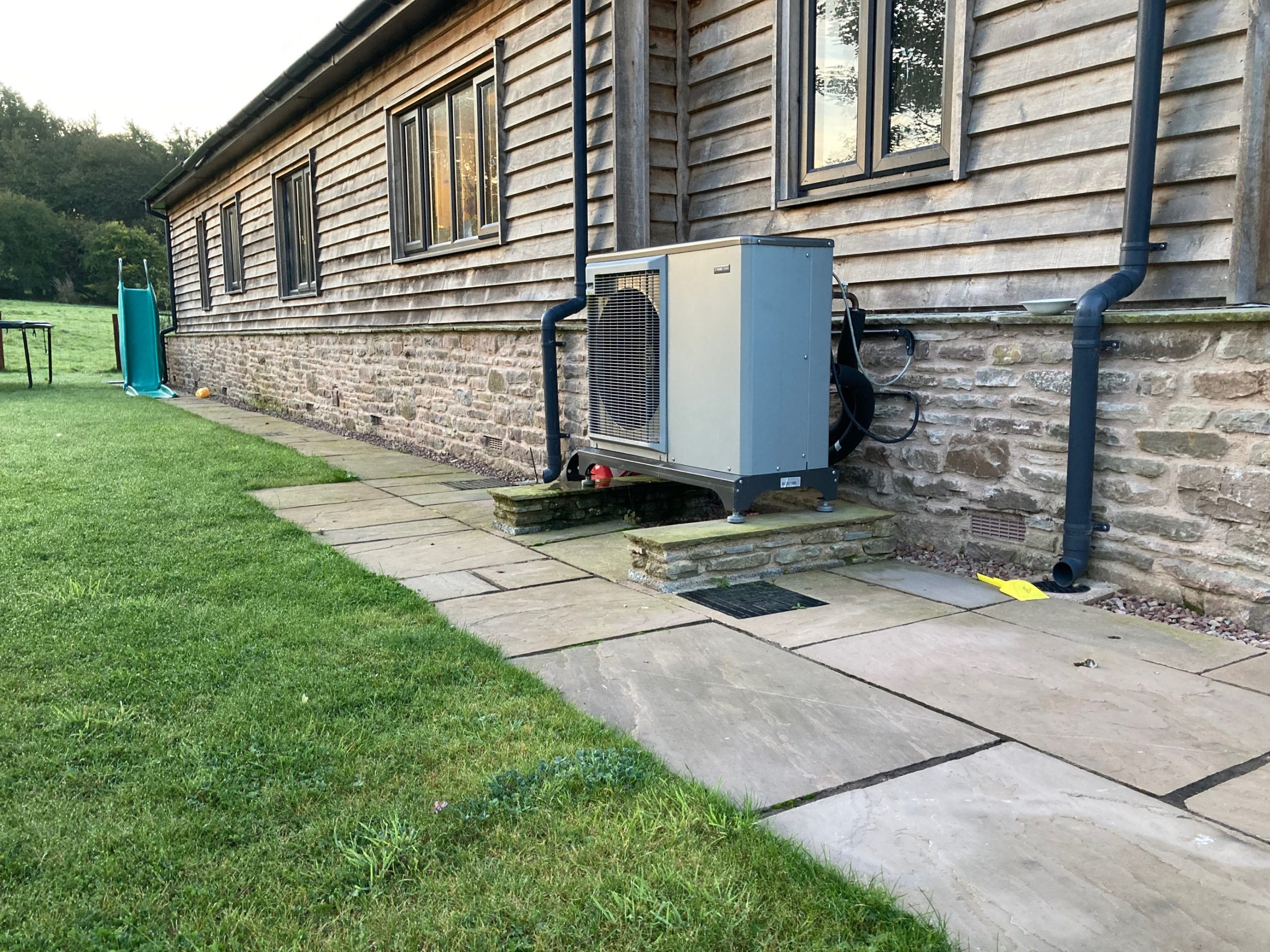
Comparing Efficiency: Heat Pumps vs. Standard HVAC Systems
Heat pumps are recognized for their energy efficiency, especially when contrasted to standard heating systems like furnaces or electric baseboard heaters. They work by moving heat rather than producing it, permitting them to consume significantly less energy. Although conventional heating systems convert fuel or electricity into heat, heat pumps can provide up to three times more heating or cooling energy than the energy they require. This effectiveness can lead to considerable savings on energy bills, making heat pumps an appealing option for homeowners looking to reduce their costs.
Conversely, traditional HVAC systems typically have diminished efficiency ratings, notably older models. Furnaces typically function at around 80 to 98 percent efficiency, and while they can be functional, they require more energy input for the equivalent heat output as a heating pump. Moreover, conventional systems frequently consume fossil fuels, which not only does it add to higher operational costs but also raises environmental concerns regarding pollution and climate change. As homeowners become more eco-conscious, heat pumps arise as a more environmentally friendly and more sustainable choice.
The efficiency of heating pumps may differ based on the weather conditions they function in. In mild climates, heating pumps can perform very well year-round. However, in Take a look at the site here , like Colorado, their effectiveness can drop as outdoor temperatures fall, leading some to consider backup heating methods. Dual-fuel systems, that merge a heat pump with a traditional furnace, can provide a balanced approach. Ultimately, understanding the efficacy discrepancies can help homeowners make knowledgeable decisions that align with their comfort requirements and budget.
Deployment and Care Fundamentals
When thinking about a heat pump, setup is a critical aspect that homeowners should emphasize. Proper setup ensures optimal efficiency and efficiency. It is advised to hire a certified professional who can evaluate your home’s particular needs and set up the system properly. Considerations such as the size of the heat pump and the layout of your home play important roles in how well the system will operate. For new homes, integrating the heat pump into the design can enhance effectiveness, while modifying existing homes may require additional considerations for setup requirements.
Regular care of your heat pump is crucial to extending its lifespan and ensuring peak efficiency. Householders should develop a routine maintenance schedule that includes washing or swapping filters, inspecting ducts for leaks, and having the system checked by a professional at least once a year. This preemptive approach helps identify potential issues early, lowers energy consumption, and enhances overall well-being in your living space. Moreover, many producers offer warranties that can be kept with proper upkeep.
Comprehending common concerns that can arise with heat pumps can also aid in efficient upkeep. Problems such as unexpected noises, diminished heating or cooling performance, or the system not reacting to thermostat adjustments can indicate hidden issues. Getting acquainted yourself with these signs allows for timely troubleshooting or professional assistance. Additionally, teaching yourself about seasonal modifications, especially in climates with severe temperatures, can further enhance your heat pump’s efficiency, ensuring you gain the full benefits of your purchase.