Innovations in Waste Management: Technology Shaping the Future


Within the current fast-paced world, effective waste management has become ever crucial at this time. With the growing generation of higher amounts of waste, companies, homes, and societies confront the significant challenge of managing it sustainably. Advancements in waste management technology offer exciting solutions that not just tackle these challenges but additionally pave the way for a cleaner, healthier planet. From smart waste bins to sophisticated recycling facilities, technology is revolutionizing how we approach waste disposal and reduction.
Recognizing the importance of proper waste management is vital for all entity, regardless of size or industry. Poor waste management can have disastrous effects on the ecosystem, public health, and a company's reputation. With advancements in various technologies, organizations now possess the tools to execute effective waste reduction strategies, improve recycling efforts, and positively impact to a circular economy. This article will discuss the ultimate guide to modern waste management solutions, highlighting innovative practices and strategies that everyone can embrace to reduce waste and promote sustainability.
Value of Efficient Waste Management
Proficient refuse handling is crucial for the sustainability of our ecosystem and the well-being of society. As waste is not managed correctly, it can result to contamination, health risks, and the exhaustion of resources. Properly managing garbage ensures that hazardous materials are treated securely, minimizing the risk of contamination of air, land, and water. This is not just an ecological concern; it is also a public health concern, as poorly disposed garbage can result to the spread of diseases and create unpleasant living conditions.
For organizations, effective waste handling is integral to operational efficiency and cost savings. By utilizing garbage reduction strategies, companies can reduce disposal costs and improve resource utilization. This can also improve a business's reputation, as consumers increasingly tend to favor to interact with environmentally responsible companies. Wealth Management Saltash Cornwall , such as recycling and composting, allow businesses to fulfill legal requirements whilst adding to a circular economy that prioritizes sustainability and resource preservation.
Moreover, efficient waste handling plays a important role in combating climate change. Waste sites contribute to GHG emissions, while poor waste disposal practices emit pollutants that further intensify environmental problems. By utilizing efficient garbage handling strategies, people and entities can reduce their carbon footprint. This proactive strategy not only helps lessen climate change effects but also encourages a better earth for the next generations.
Advanced Technologies in Waste Management
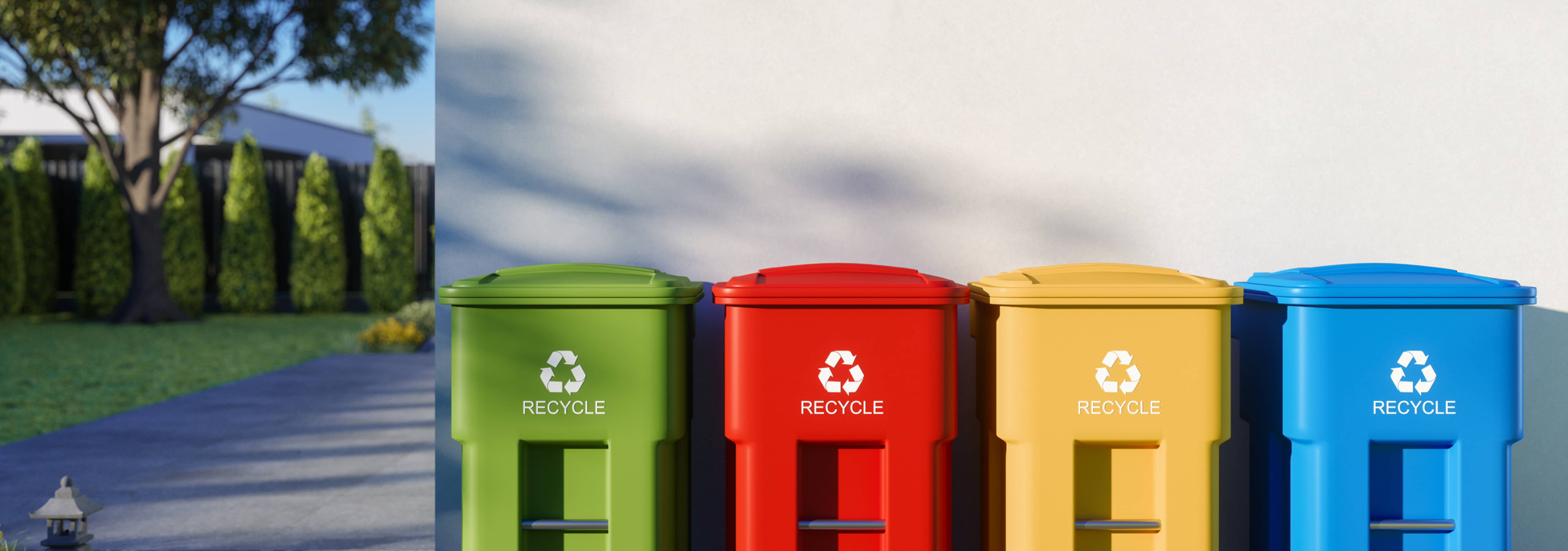
The environment of waste management is evolving quickly with the integration of cutting-edge technologies that simplify operations and boost productivity. Smart bins equipped with sensors can track waste levels in real-time, refining pickup paths for collectors and reducing fuel usage. Additionally, these advanced technologies can provide essential information, allowing local governments to make strategic decisions about refuse management plans.
One of the most noteworthy advancements is the use of AI and automated algorithms for separating recyclable materials. Automated sorting systems can now identify and classify different types of materials with exceptional precision, reducing mix-ups and boosting recyclables recovery rates. By employing sophisticated imaging technologies and robotics, recycling centers can process waste more quickly than before, supporting the movement towards a circular economy where materials are reused & recycled instead of discarded.
Another important advancement is the development of applications that involve consumers in minimizing waste. These user-friendly tools allow families and organizations to track their garbage production and practice improved techniques. Through awareness and gamification, these platforms encourage users to incorporate green behaviors like organics recycling and appropriate garbage sorting, actively participating more effective refuse handling at a grassroots extent.
Sustainability and Waste Reduction Strategies
To foster sustainability, companies and businesses must adopt effective waste reduction strategies. One key approach is to implement waste separation practices to ensure recyclable materials, compostables, and dangerous materials are sorted correctly. This not only improves recycling efforts but also enhances the efficiency of waste processing facilities. Promoting proper waste segregation can significantly reduce the amount of waste sent to landfills and support circular economic initiatives.
Another critical strategy is the adoption of eco-friendly packaging solutions. Companies can opt for biodegradable, recyclable, or recyclable materials that minimize environmental impact. By focusing on reducing packaging waste, businesses can reduce costs while appealing to eco-conscious consumers. Furthermore, fostering a culture of sustainability through employee training and outreach campaigns can lead to collective actions in reducing waste across the organization.
Lastly, adopting tech-enabled solutions can markedly enhance waste management efforts. Smart waste management systems can study disposal patterns, improve collection routes, and provide data insights that improve overall waste handling. Investing in such technologies not only lowers operational costs but also contributes to the larger goal of sustainability by promoting responsible waste disposal and supporting innovative recycling practices. As technology continues to advance, it offers new ways to tackle waste challenges and advance sustainable practices in societies and industries alike.