Mix It Up: Innovative Methods for Spray-Painting


Spray painting is an artistic medium that merges creativity with technique, enabling you to transform areas with ease and effectiveness. Whether you are a seasoned professional or a do-it-yourselfer, mastering the nuances of spray painting can unlock a realm of opportunities for your projects. From furniture makeovers to large-scale industrial applications, the potential of spray paint have evolved, making it an indispensable tool in both home improvement and artistic endeavors.
In this article, we will discuss innovative techniques that can elevate your spray painting abilities to new heights. You will discover how to achieve a sleek and flawless finish, avoid common mistakes, and choose the appropriate materials and tools for your individual requirements. Additional reading will also delve into the safety measures you should take and the advantages of using spray paint over traditional brush methods. Join us as we shake things up and reveal the secrets to successful spray painting.
Strategies for a Perfect Outcome
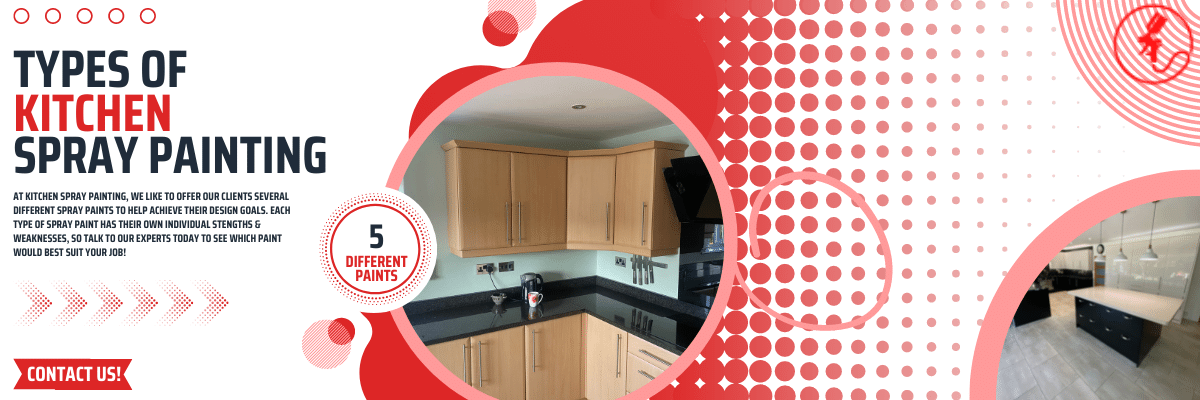
Attaining a polished and perfect spray paint result demands thorough planning and technique. Start by making sure your work area is clean and adequately ventilated. Surfaces should be thoroughly cleaned, smoothed, and primed to promote bonding. The right choice of base coat can significantly influence the final outcome, as primer creates a uniform base for the paint, stopping soaking and ensuring even coverage.
When it comes to the application process, the spacing from the substrate is crucial. A consistent spraying distance of about 10 to 12 inches creates uniform coats without dripping or runs. Use fluid, sweeping motions while spraying, and avoid stopping in one place for too long. Superimpose each pass by around half to keep consistent application and avoid lines.
Lastly, pay attention to surrounding factors, as factors like heat and moisture can affect the curing process. Preferably, spray paint in heat levels between 50-90°F Fahrenheit with low humidity. If conditions are not optimal, consider adjusting your schedule or using fans to aid in the drying process. Adhering to these methods will assist you to achieve a high-quality finish that will last.
Frequent Errors to Avoid
One of the most regular errors when using spray paint is neglecting surface preparation. Properly cleaning and sanding the surface ensures superior adhesion of the paint. Failing to remove dust, grease, or old paint can lead to irregular finishes and peeling. Always take the time to properly get ready surfaces to avoid these issues.
Another common error is ignoring the significance of technique. Holding the spray can too close to the surface can result in droplets and runs, while spraying too distantly away can lead to an irregular application. Always maintain a uniform distance and use smooth, consistent strokes to achieve a perfect finish. Practicing your technique on a scrap piece can help refine your skills before starting the actual project.
Lastly, many people overlook the significance of environmental conditions during spray painting. Working in high humidity or harsh temperatures can affect how paint sticks and dries. It is critical to choose the right time for your project, ideally on a dry, calm day, to ensure optimal results. Taking these environmental factors into account will enhance the quality of your finished work.
Crucial Instruments for Achievement
Having the appropriate tools is crucial for attaining successful spray application effects. One of the most important tools is a top-notch spray gun, that can significantly affect the finish quality and efficiency of your task. Seek out adjustable tips that allow for multiple spray patterns, ensuring versatility across different surfaces and task types. Additionally, a good compressor is necessary for delivering consistent pressure when operating an air-powered spray gun.
In addition to the spray gun and compressor, safety equipment is essential for your safety during the painting process. Invest in a reliable mask that filters out paint fumes and airborne particles. Safety goggles are also crucial to protect your vision from overspray. Furthermore, ensure you have drop cloths or tarps to cover the space around your project to avoid any accidental mess.
Lastly, verify you have a range of cleaning supplies on hand. Solvents specifically designed for spray paint removal can help you keep your tools and tidy up after your projects. Ensure you have lint-free rags and brushes ready for any touch-ups or corrections needed throughout the spraying process. With these vital tools, you can prepare yourself for spray painting success and achieve a high-quality finish on every project.