Precision Is Key: The Way Expert Surveying Solutions May Save Your Project


In the world of construction, accuracy is not just a preference; it is a requirement. When embarking on any task, be it building a new house, building a commercial asset, or parceling land, the accuracy of surveillance services plays a critical role in deciding the project's success. Hiring a professional surveyor can spare you time, financial resources, and avoidable legal troubles, confirming that your construction blueprints align seamlessly with local regulations and property boundaries.
Grasping the intricacies of surveying is crucial for everybody involved in property exchanges or development. From boundary issues to zoning compliance, the repercussions of inaccurate surveys can echo throughout a project, possibly resulting in costly blunders. In this article, we will explore the top reasons to hire a certified surveyor, what you can anticipate during a land survey, and the different types of surveys that play a critical role in defending your investments. With advancements in technology such as GPS and UAVs, surveying is constantly evolving, and grasping its importance can have a significant impact in your project's results.
Why Employ a Professional Land Surveyor
When start on a real estate project, engaging a qualified land surveyor is crucial for ensuring accuracy and adherence to regulations. A professional surveyor provides expertise in determining and delineating land boundaries, which is key for preventing disputes among property owners. Their knowledge of local laws and regulations means that a land surveyor can identify potential zoning issues, ensuring your project complies to legal requirements. This preventive approach can save time, funds, and legal headaches in the future.
In addition, professional land surveyors make use of advanced technology, such as GPS and drone capabilities, to capture precise data and create comprehensive maps. This technology significantly enhances the accuracy of measurement compared to techniques used by non-professional individuals. Regardless of whether you are building on a plot of land, purchasing a new home, or undertaking construction, the detailed data provided by a qualified surveyor can aid sound decision-making. This level of accuracy guarantees that all aspects of your project are based on solid foundations, leading to successful outcomes.
Lastly, engaging a licensed land surveyor protects your investment by defining your property rights. Precise surveys identify property boundaries, easements, and encroachments, all of which can significantly affect your rights as a property owner. Skipping this essential step can lead to misunderstandings with neighbors, costly legal disputes, or even construction delays. By trusting a licensed surveyor, you can embark on your project with confidence, knowing that your interests are safeguarded.
Types of Land Surveys and Their Importance
Land surveying covers numerous kinds of surveys, which all serving a distinct function and importance in the field of property management and land development. Boundary surveys are essential for establishing the accurate lines of property ownership, which aids prevent disputes between neighbors. These surveys are commonly required during property transfers, making sure that potential buyers are fully cognizant of their boundaries. In contrast, topographic surveys are utilized to map out the shapes and features of the land, including elevation changes and physical obstacles. This information is vital for construction projects, as it informs design choices and site planning.
Construction staking surveys are another essential type that directs builders by marking out the designated locations of structures on the land. These surveys ensure that construction adheres to the approved designs, thereby minimizing errors and costly rework. ALTA/NSPS surveys offer a higher level of detail, as they are often required for commercial transactions and are used to verify property rights and potential encumbrances. Understanding these different types of surveys enables property owners and developers to select the right services for their particular needs.
Lastly, environmental surveys play a significant role in evaluating land for potential hazards or environmental impact. These surveys aid in zoning compliance and land use planning, making them essential for projects that may influence natural resources or local ecosystems. By understanding the various types of land surveys available, people and developers can make informed decisions that protect their investments, enhance project efficiency, and conform with legal requirements.
Tech and Innovation in Land Measurement
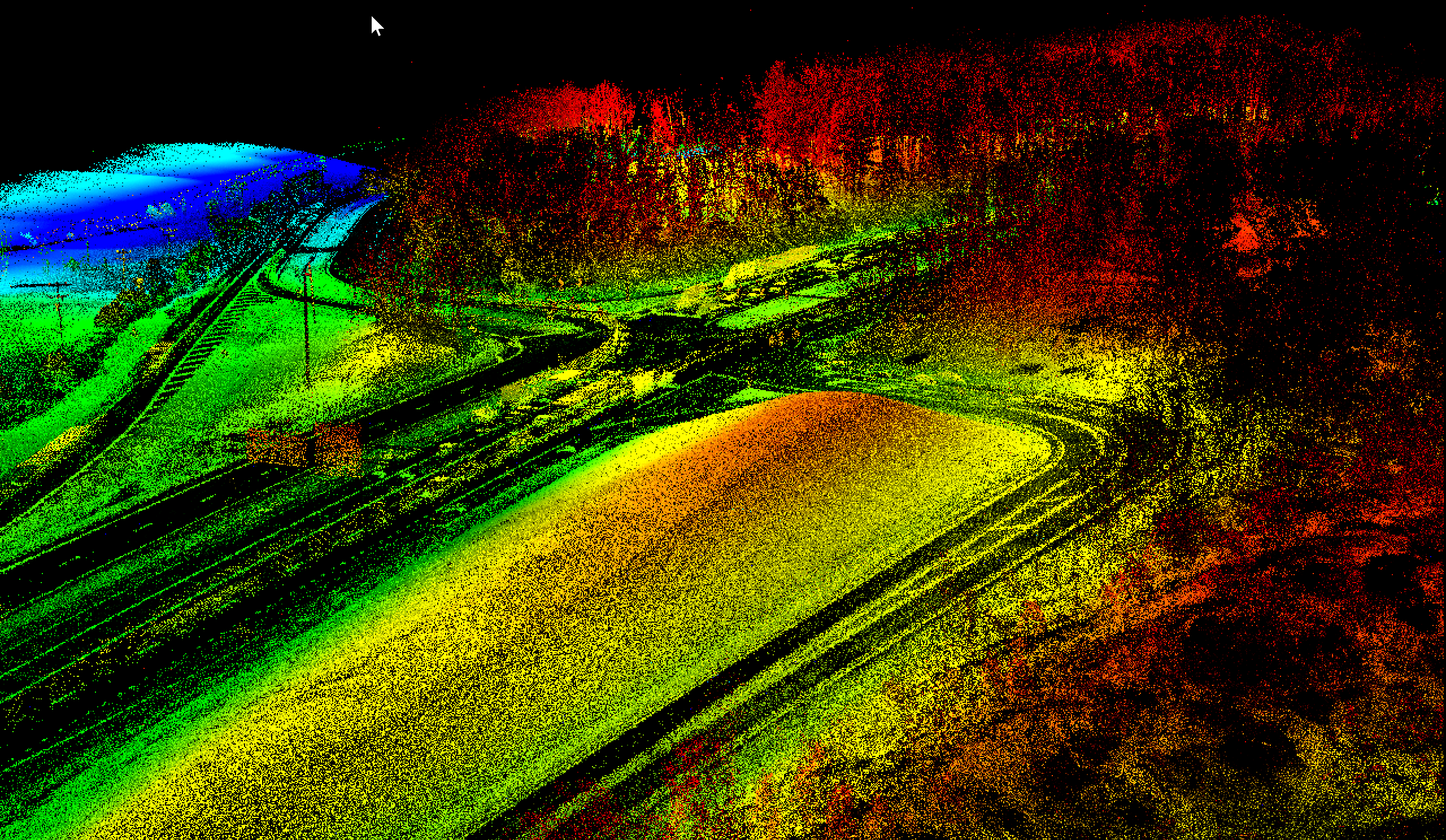
The land measurement industry has seen a major evolution over the last few years thanks to developments in technology. Surveyors now utilize Global Positioning Systems, which provide exact location data, allowing for better data gathering and quicker survey completion times. The emergence of drones has further enhanced the capabilities of surveyors by enabling airborne surveys of large areas quickly and effectively. Drones can obtain comprehensive images, data from elevated positions that were previously hard to reach, making it simpler to evaluate terrains and map regions accurately.
In addition to drones and GPS, software advancements have also revolutionized how land surveyors interpret and display data. Geographic Information Systems have become integral to the industry, allowing land surveyors to create detailed digital maps that can combine various data sets. This technology allows for not only improved visual representation but also enhanced data analysis, helping project stakeholders make educated choices based on reliable and comprehensive data.
As these technological innovations continue to progress, the profession of surveying is not only becoming more efficient but also more accessible. https://surveyingserviceslondon.co.uk/best-measured-building-surveyors-london/ can expect quicker turnaround times and improved accuracy, which eventually leads to more successful results for their initiatives. Staying abreast of these developments is essential for both surveyors and clients looking to ensure they get the best services possible, making technology a crucial element in modern land measurement practices.