The Craft of AC Installation: Enhancing the Refresh Factor in Your Home


When the temperature increases and summer draws near, ensuring your home stays a refreshing oasis turns into a top concern. AC installation is more than comfort; it's an investment opportunity that can enhance your home's value and energy savings. with a variety of choices and technologies accessible in today's market, knowing how to choose the appropriate system and setup provider is crucial for obtaining optimal results.
Within this complete guide to AC setup, we'll cover all you need to know, from recognizing the indications that it’s the right time for a new air conditioning unit to learning about the setup procedure from beginning to end. Whether you are you're thinking about central air or a ductless mini-split system, we've got you taken care of. Come along as we increase the cool aspect in your home and delve into the craft of AC installation.
Signs You Need a New AC
One of the most obvious signs that you need to install a new air conditioner occurs if your current system frequently malfunctions or is in need of constant servicing. If you find yourself calling for service multiple times each summer, it's likely your old unit is unable to cope. Not only do these failures lead to discomfort in your living space, but they can also lead to high repair bills that outweigh the expense of purchasing a new air conditioner.
Another clear indication of the need for a replacement unit is a noticeable increase in your energy bills. Older air conditioning systems tend to lose their efficiency in cooling, leading to higher utility costs. If you notice a sudden spike in your energy bills despite regular usage, this could indicate that your air conditioner is not functioning properly and it's time to consider replacement.
Lastly, experiencing irregular cooling in your home may be a sign that air conditioning system is on the verge of failure. Hot spots in certain rooms, not cooling as expected, or high humidity levels can all indicate that an upgraded air conditioning solution is necessary. A well-functioning air conditioner should maintain consistent temperatures and comfort throughout your home, so any notable drop in efficiency warrants attention.
Picking the Ideal AC Unit
Choosing the best air conditioning unit is essential for ensuring comfort and efficiency in your home. Factors such as the size of your room, your cost considerations, and energy performance ratings all hold a significant role in your choice. Start by evaluating the square footage of the areas you want to cool. This calculation will help determine the suitable cooling capacity needed, which is typically measured in thermal units. Selecting a unit that is too small will find it difficult to cool your home, while an oversized unit may lead to inefficient operation and increased energy costs.
Additionally, consider whether a centralized air conditioning or a ductless AC is more suitable for your circumstances. Central air systems are ideal for big residences with available ductwork, while ductless mini-splits provide adaptability and effectiveness for smaller or recently built spaces. Each option has its own range of pros, including installation difficulty and overall financial implications, so assessing your individual preferences and the layout of your home will aid in making an knowledgeable choice.
In conclusion, look for characteristics that enhance functionality and ease of use, such as programmable thermostats, integration with smart tech, and multi-stage filtration systems. Efficiency ratings, particularly energy performance scores, are essential as they indicate how much energy the unit consumes in relation to the cooling output. Considering these factors not only ensures that you choose a unit that meets your expectations but also helps decrease your energy costs and extend the lifespan of your air conditioning system.
Montage Process Overview
The cooling installation method starts with a detailed evaluation of your property and its cooling requirements. A qualified technician will assess elements such as the dimensions of your property, insulation levels, and pre-existing ductwork. In light of this analysis, they will recommend the correct type and size of the AC unit, ensuring optimal efficiency and comfort. This preliminary step is essential for preventing common errors related with incorrect sizing or picking the wrong system.
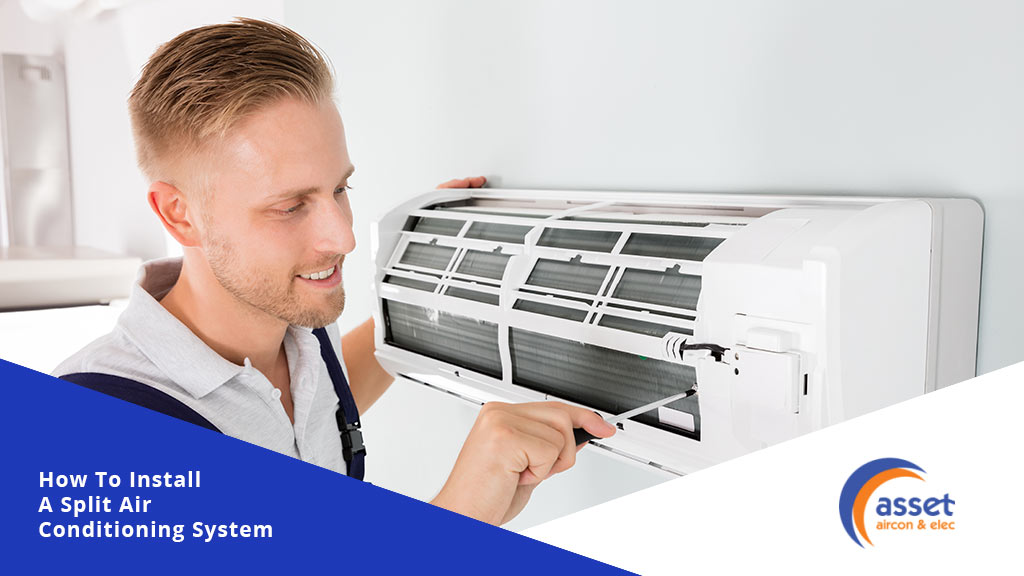
Once the suitable system is decided upon, the installation team will get ready your property for the new cooling system. This may entail adjustments to pre-existing ductwork, enhancing electrical systems, or clearing areas for outdoor components. It's crucial to ready your property adequately, which may entail relocating furniture and protecting flooring. follow this link will function systematically to make sure everything is ready, adhering to safety protocols and local codes throughout the procedure.
Finally, the true mounting happens, which can vary from a few hours to a few days' time, depending on the intricacy of the system. The technicians will set up the indoor and outdoor components, link the required ductwork and electrical systems, and carry out thorough testing to confirm everything works correctly. After installation, they will guide you through managing the new system, ensuring you are familiar with the controls and maintenance requirements. This detailed approach not only guarantees best performance but also extends the longevity of your new air conditioning system.