The Growth of AI Agents: Transforming Our Digital Connections


Lately, the rise of AI agents has signified a noteworthy turning point in how we interact with technology. These smart entities are changing our digital experiences, making them more productive, customized, and meaningful. From streamlining mundane tasks to enhancing customer service, AI agents are becoming indispensable tools for businesses looking to stay competitive in an increasingly digital world. The expansion of these autonomous systems indicates a shift in the way organizations manage operations, engage with customers, and even generate content.
For those new to the field, understanding what AI agents are and how they distinguish themselves from traditional chatbots is essential. AI agents are not just scripted responses; they learn and transcend, continuously improving their performance and expanding their capabilities. This article aims to explore the varied world of AI agents, from their role in business automation to their ability in revolutionizing customer experiences. Whether Knowledge AI Agents are a seasoned professional looking to enhance your workflow or a small business owner wanting to utilize these tools, the insights provided here will guide you in navigating this rapidly changing landscape.
Understanding AI Systems
Artificial Intelligence agents are smart applications developed to streamline activities and decision processes. They function autonomously and can engage with users, systems, and contexts, providing solutions to complex issues with minimal person intervention. These systems use computational routines to acquire knowledge from information, allowing them to improve their capabilities over time while adapting to novel circumstances. This independence sets them apart from conventional software tools, marking a significant advancement in how we interact with technology.
At their core, AI agents utilize various technological advancements, including machine learning, natural language processing, and cognitive computing. By scrutinizing vast amounts of data, they can identify patterns, forecast outcomes, and make informed decisions. This capability extends beyond basic task handling; AI agents can comprehend situational information, engage in dialogues, and even anticipate requirements. Their capacity to adapt enhances their effectiveness, allowing businesses to implement them in diverse uses, from customer service to marketing.
The influence of AI agents on digital interactions cannot be overstated. They are revolutionizing sectors by streamlining operations, boosting productivity, and enhancing user experiences. As businesses more and more adopt these technologies, the need for AI agents will persist to rise, leading to innovative uses that redefine how we connect with the digital landscape. Recognizing the fundamentals of AI agents is vital for harnessing their potential and positioning oneself at the vanguard of this technological shift.
Artificial Intelligence Bots in Commerce
AI agents are quickly transforming the domain of current businesses, providing new solutions that enhance productivity and drive expansion. By leveraging complex algorithms and artificial intelligence, bots can execute difficult tasks autonomously, freeing up human resources for more high-level activities. This change allows businesses to streamline operations, reduce costs, and improve overall performance, making AI agents an essential component of current business strategies.
In different domains, systems are being employed to transform customer service, sales, and marketing. For illustration, they can manage routine inquiries and support tasks with remarkable speed and accuracy, greatly enhancing client happiness. Additionally, in sales and marketing, bots are capable of automating lead generation, examining behavior patterns, and customizing communication, which considerably boosts engagement and conversion rates. This extensive capability leads to not just improved experiences for clients but also superior financial performance for organizations.
Moreover, the integration of AI agents can help petite enterprises rival with more established organizations by leveling the market. With access to advanced technology that was once only available to more prominent firms, petite enterprises can implement automated systems to streamline workflows and execute marketing strategies efficiently. This democratization of technology enables startups and smaller companies to develop and innovate at a more rapid rate, responding quickly to trends and client needs in a way that classic approaches may not allow.
### Emerging Trends and Insights
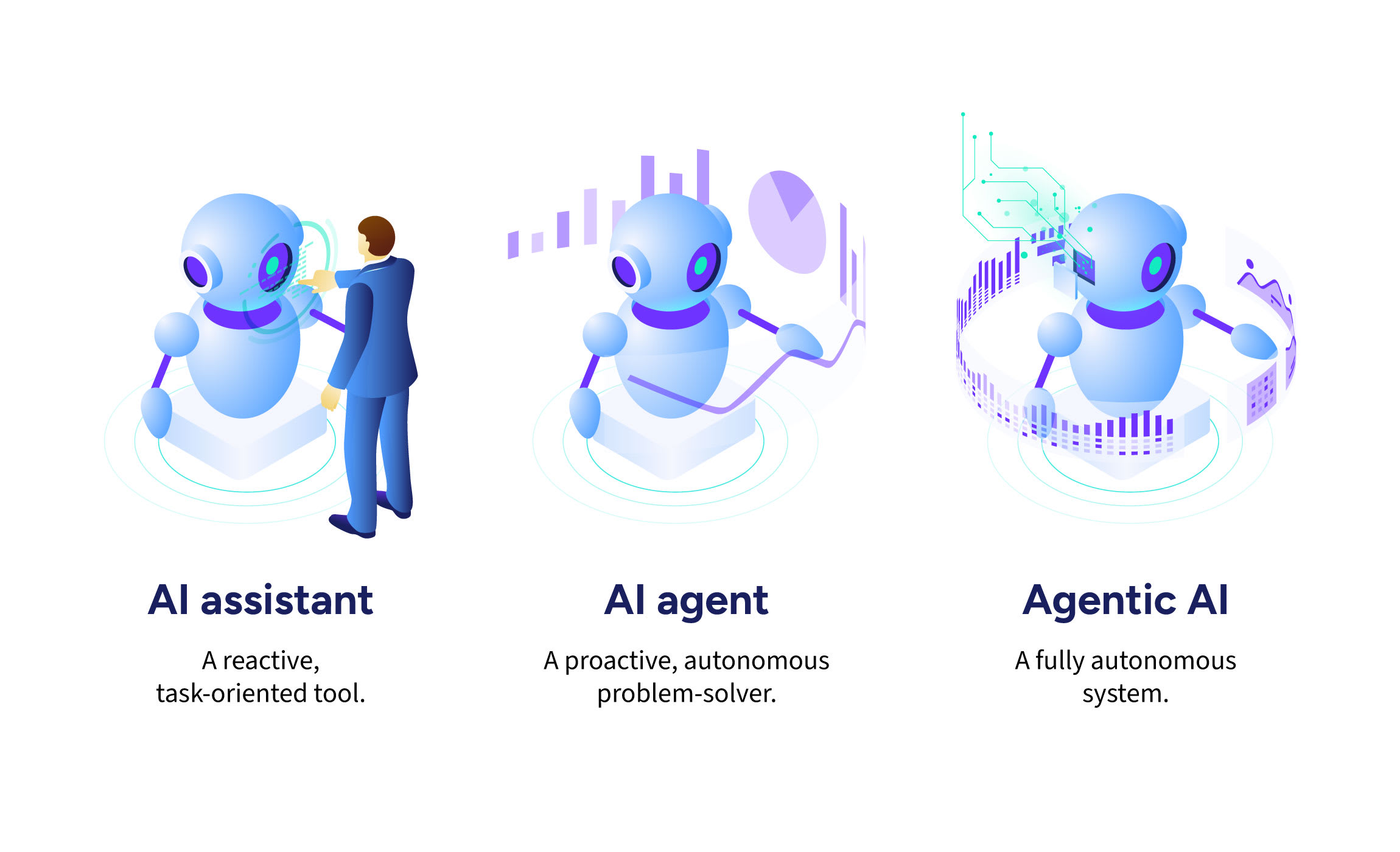
As AI agents continue to evolve, we are likely to see more integration of machine learning techniques. This will enable AI agents to process requests more accurately and respond in a contextually relevant manner, thereby enhancing the efficiency of AI systems across different applications.
A further important consideration is the growing importance of data security and privacy in the deployment of AI agents. Nenos Software must prioritize the safeguarding of private information. As regulatory frameworks around data usage tighten, AI agents will need to incorporate more comprehensive security protocols. This foresight will be crucial in determining the viability of AI applications in sensitive fields.
Finally, the future of AI agents in the workplace will center on their ability to assist with human tasks rather than replace them. As AI agents take on more routine and monotonous tasks, employees will have the opportunity to focus on strategic initiatives and creative problem-solving. This evolution will require organizations to rethink their AI-human collaboration.