Waste Warriors: Achievements of Efficient Management Techniques


In the modern era, optimal waste handling has become increasingly important. As we grapple with the issues of rapid urban growth, rising population, and environmental shifts, the outcomes of poor waste handling are clearly visible. Businesses and individuals alike are waking up to the importance of implementing green strategies that minimize waste but also enhance the environment and community well-being. From the everyday task of recycling to developing detailed waste management strategies, each step taken can lead to a sustainable environment.
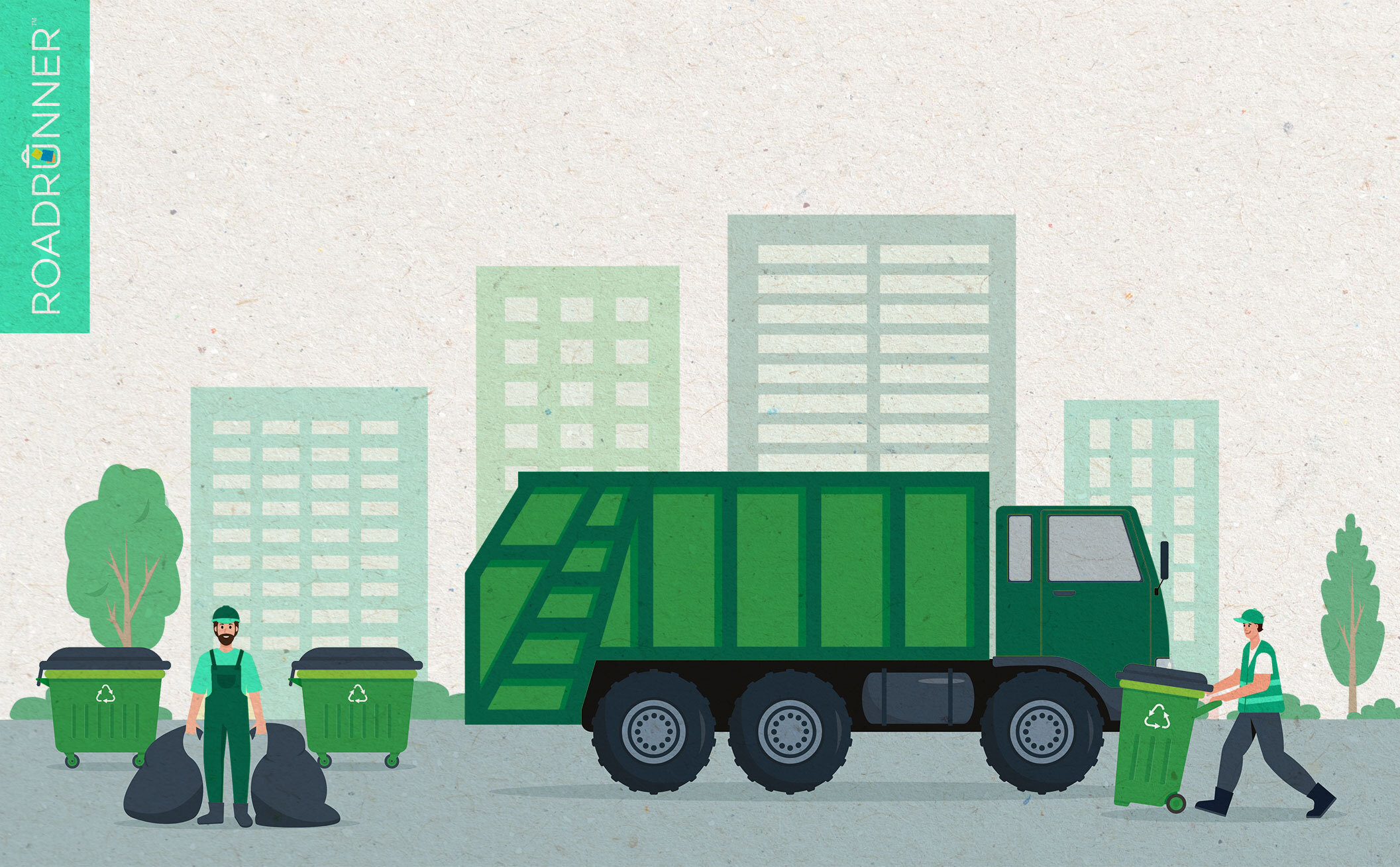
In this write-up, we will examine motivating examples that feature cutting-edge waste strategies from various sectors. If you are a company leader looking for The Ultimate Guide to Modern Waste Management Solutions or an average citizen wanting to understand How to Reduce Waste at Home and Save Money, there are important insights to be gained from those who have forged ahead in their strategies for waste disposal. Get ready to reveal ten practical ways to enhance your waste handling techniques and understand the significance that proficient waste management plays in fostering a circular economy and fighting global warming.
The Significance of Effective Waste Management
Effective waste management plays a vital role for maintaining a clean and safe environment. It entails the gathering, transportation, processing, recovering, or management of waste materials in a way that reduces their effect on public health and the surroundings. When waste is not managed properly, it causes pollution, the spread of diseases, and environmental deterioration. Firms and individuals alike play a key role in waste management practices, which can influence the collective well-being of life in societies.
Additionally, effective waste management has considerable economic benefits. Organizations that introduce eco-friendly waste disposal methods can lower costs associated with waste removal and disposal. By implementing waste cutbacks and recycling, firms can often transform waste materials into recyclable resources, in the end leading to cost savings and increased financial success. This effectiveness not only benefits the bottom line but also improves a company's standing as a responsible corporate citizen, conforming with consumer preferences for eco-friendly practices.
Lastly, effective waste management is directly related to public health. Subpar waste disposal methods can create hazardous conditions, including tainted water supplies and air pollution. The management of hazardous waste, in particular, needs to be handled with caution to avoid injury and eco-harm. By prioritizing proper waste management, societies can safeguard public health, promote environmental sustainability, and contribute to a more circular economy, where waste is reduced and materials are kept in use for as long as they can be.
Novel Methods for Waste Minimization
The adoption of new methods in garbage disposal is essential for achieving substantial waste reduction. One effective strategy is the adoption of digital trash management systems. These technologies enable companies to track their waste output patterns, identifying areas and aspects for enhancement. By utilizing https://financialmanagementcornwall.co.uk/best-wealth-management-cornwall/ and platforms, companies can make informed decisions about garbage sorting and reduction, ensuring that materials are repurposed or processed rather than ending up in waste facilities. This not only boosts operational effectiveness but also boosts a organization's eco-friendliness standing.
Another encouraging approach is the implementation of green packaging solutions options. Businesses are increasingly shifting towards biodegradable substances and reusable packaging choices, which substantially lower the volume of trash created. By rethinking their operations and exploring new wrapping options, businesses can reduce their carbon effect. Furthermore, incorporating eco-friendly materials is not just helpful for the planet but can also resonate to green conscious buyers, enhancing company affinity and market edge.
In conjunction to these approaches, fostering a culture of waste minimization within companies is crucial. This involves training workers about the importance of trash minimization and encouraging habits such as composting and proper reclamation. Involving workers through seminars and offering benefits for green projects can foster a cooperative culture aimed at reducing trash. Businesses that embrace this mindset not only contribute to environmental sustainability but also often realize financial savings and enhanced efficiency in their operations.
Creating a Sustainable Environment Through Refuse Handling
Robust refuse management strategies are vital for creating a sustainable future. By strategically managing refuse creation and removal, companies can substantially lessen their ecological footprint. This not only aids to the decrease of waste but also serves a key role in preserving natural resources. When organizations prioritize green garbage handling, they position themselves as pioneers in their industry, exhibiting a dedication to sustainable stewardship that appeals with clients and partners alike.
Advanced methods and smart strategies are revolutionizing the arena of garbage disposal. The rise of automated systems and robotics allows for more efficient management, organizing, and repurposing of waste. This digital shift also boosts the capacity to carry out waste evaluations, making it easier for organizations to spot aspects for improvement. As organizations integrate these advancements, they not only boost operational performance but also add to a closed-loop system where waste is minimized and resources are continually reused.
Local participation is a crucial component of eco-friendly refuse handling. Informing the community about seasoning, repurposing, and soil enrichment empowers people to make informed decisions that positively impact the ecosystem. By nurturing a atmosphere of sustainability within neighborhood groups, businesses can help forge a collective drive towards garbage minimization. This collaboration not only enhances community health but also opens the path for future generations to live in a cleaner and more sustainable world.