Wiring Wisdom: What You to Expect During a Electrical Inspection


Electrical setups are often taken for granted, silently energizing our lives on a regular basis. However, just like any other part of our houses or enterprises, these systems require routine maintenance to ensure protection and operability. This is where electrical evaluations come into play. Understanding what an electrical inspection entails and why it is essential can help homeowners and business owners alike shield their assets and ensure a protected environment for all stakeholders.
In this article, we will explore the various elements of electrical inspections, from frequent issues that may arise during these evaluations to how frequently you should schedule them. We’ll discuss the critical role these inspections play in safety at home, energy conservation, and overall property maintenance. Whether Learn here are a recent homeowner, a veteran property owner, or managing a commercial space, knowing what to expect during an electrical inspection is essential. Let’s immerse ourselves in the world of electrical inspections and uncover the wisdom that comes with understanding this necessary aspect of property management.
Grasping Electrical Evaluations
Electrical inspections serve as a essential aspect of maintaining the protection and efficiency of a property's power infrastructure. An electrical inspection involves a thorough evaluation of the wiring, points, fuses, and overall electrical setup. This task is aimed at finding potential dangers, code infringements, and confirming that the system is functioning efficiently. By focusing on regular inspections, residents can avoid unsafe situations including electrical fires and short circuits.
The importance of electrical inspections is critical, particularly given the increasing complexity of electrical systems in modern homes and establishments. Inspectors merely look for compliance with existing electrical codes but further examine the integrity of the system and its components. This comprises checking for old wiring, inadequate grounding, and excessive circuits. Such assessments help in finding issues that could represent risks to occupants and property, ultimately contributing to a safer environment.
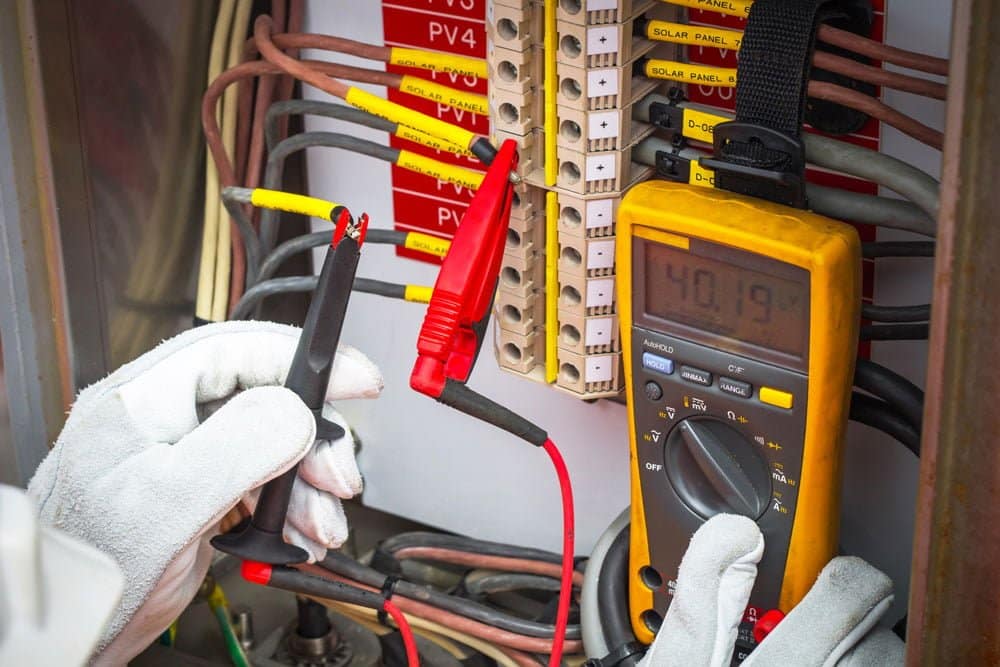
In besides safety issues, electrical inspections serve a major role in enhancing energy efficiency. An evaluator's findings can prompt recommendations for upgrades that also comply with current standards but also reduce energy consumption. This link between electrical inspections and energy efficiency is notably important for homeowners aiming to lower utility bills and diminish their carbon footprint. Ultimately, understanding the extent and goal of electrical inspections helps emphasize their critical nature in safeguarding both lives and investments.
Typical Concerns and Compliance
During an electrical wiring inspection, various common issues typically come up that can impact the security and operation of a residential electrical infrastructure. Worn wiring, inadequate grounding, and overloaded circuits are among the common findings. These difficulties not only create significant hazards but may also lead to compliance issues with the National Electrical Code (NEC). Certified inspectors are trained to recognize these violations, ensuring that property owners comprehend the necessary corrections to preserve protection and conformity to codes.
Another frequent concern is the existence of obsolete or defective electrical panels. Numerous older homes still have fuse boxes or panels that are not designed to support current electrical loads. This shortcoming can lead to heating issues and potential fire hazards. Conformity with modern electrical standards is crucial, as older installations may not meet the safety requirements outlined by community standards, raising liability for landlords alike.
Additionally, incorrect installation of outlets and switches is a prominent issue during inspections. GFCI outlets, which protect against electrical shock in wet areas, are frequently lacking where they are required, such as kitchens and restrooms. Certified inspectors will check the specifications for socket positioning and circuit sizing to ensure compliance with safety regulations. Resolving these typical concerns not only protect people but also significantly boosts the property's worth in the long run.
The Importance of Regular Inspections
Routine power inspections are vital for upholding a safe home space. Over time, electrical systems can deteriorate due to wear and tear, inactivity, or poor setup. An assessment helps detect likely problems before they turn serious into dangerous situations, guaranteeing that the property remains a protected place for households. This forward-thinking approach allows homeowners to address insignificant problems early, preventing financial repairs and lowering the risk of fire hazards.
Aside from protection, regular inspections contribute to the performance of the power system. An evaluation can point out areas where electricity is being lost, such as obsolete wiring or faulty appliances. By tackling these problems, residents can improve power effectiveness, decrease their utility bills, and reduce their carbon footprint. Furthermore, efficient setups often deliver better functionality and longevity, making routine inspections a worthy outlay in house care.
Finally, regular electrical checks are essential for adherence with local codes and legal standards. Many municipalities require evaluations to ensure that properties adhere to safety regulations, particularly during real estate transactions and upgrades. By scheduling regular evaluations, homeowners not only protect their households but also protect their assets and confirm they are in compliance with the legal standards. This diligence can be a major benefit when divesting a house, as a sound electrical setup can draw in prospective purchasers and boost property value.